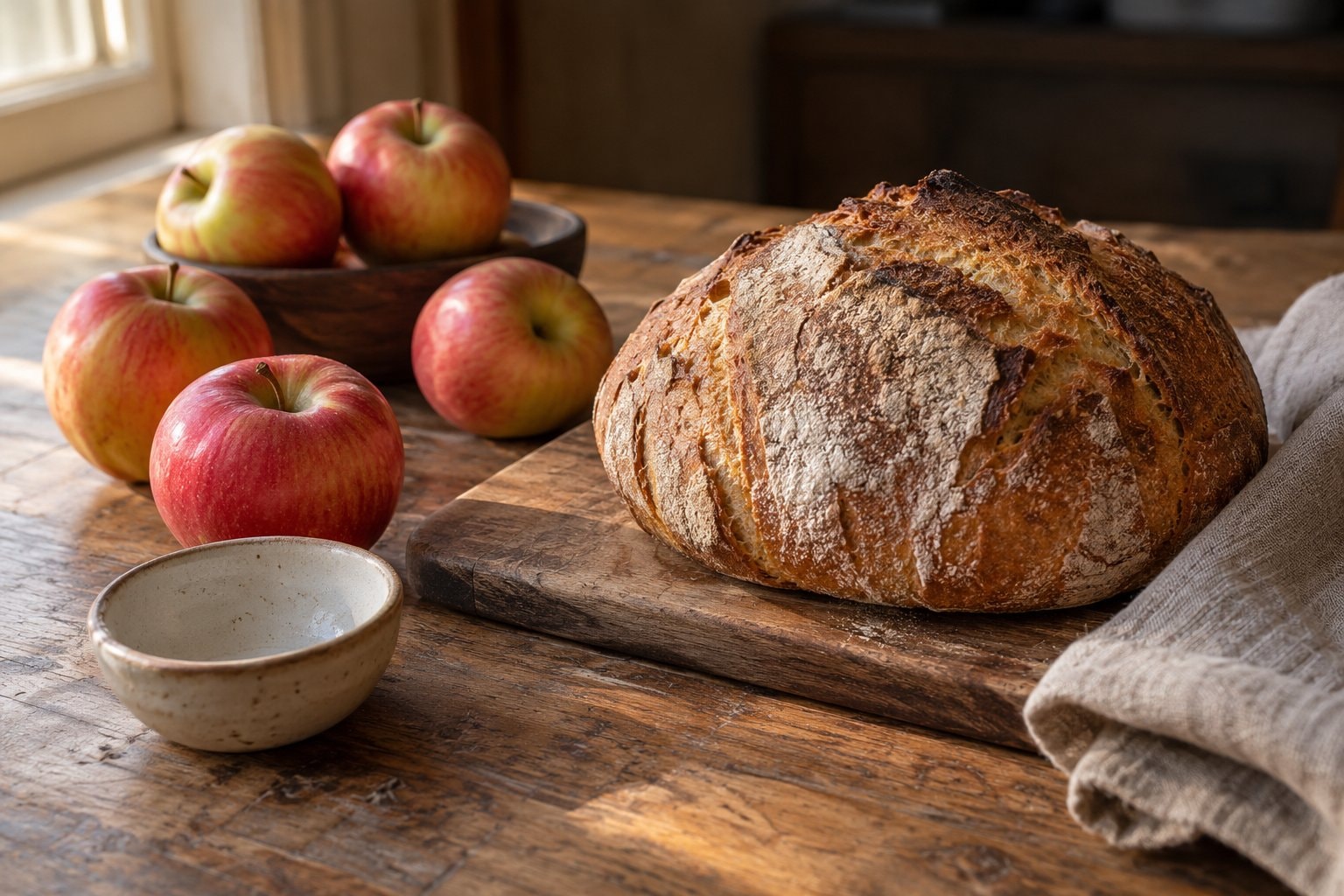
Gastroanthropology is a journal about food as part of everyday culture. Its subjects include the places where ingredients grow, the markets through which they pass, the dishes associated with a region and the kitchen work that turns them into a meal. Recipes sit beside essays because understanding a dish can involve both reading about it and making it.
A name with a broad appetite
The name brings gastronomy and anthropology into the same conversation. Wikipedia describes gastronomy as the study of food in relation to culture, regional cooking and the preparation of food. The anthropology of food considers production and consumption through historical and ethnographic perspectives. Together, these approaches invite close attention to both a plate and its setting.
That setting might be a farm, a city market, a household or a gathering around a table. An essay can ask how a food is made without losing sight of where it is made. It can consider a regional dish without treating a country as a single kitchen. Familiar foods deserve the same care as unusual ones; a quick bread can raise an interesting question as readily as a carefully layered pastry.
Wikipedia's description of food studies ranges across history, science, art and society. This journal takes that breadth as a reason to make connections, while keeping explanations clear. Technical words receive a plain account of what they mean. Where a subject contains disagreement, the discussion identifies the disagreement rather than presenting a slogan as a conclusion.
Reading with a source in view
Facts about foods, places, traditions and kitchen processes are grounded in cited references. An outbound reference appears within the paragraph where it helps explain a point. Institutional accounts are particularly useful for a heritage listing, a protected food name or a food-handling question. A reference is offered for its information, rather than as a recommendation of a business.
The distinction between a source's account and a kitchen suggestion matters. A description of a regional food can explain its ingredients and setting. A recipe then offers a preparation for a home kitchen. It does not claim to be the only authentic version, and it does not turn a named restaurant or commercial product into something to imitate.
Practical recipes, careful notes
Recipes use conventional technique and clear proportions. Metric and US measures appear together, along with Celsius and Fahrenheit oven settings where an oven is used. Ingredient lists are followed by ordered steps, practical signs to observe and kitchen notes. Waiting, cooling and resting belong to the method just as much as chopping or stirring.
Food handling is part of that care. Egg-based custards and ice cream direct readers to FDA advice; refrigerator jam is kept distinct from shelf-stable preserving. The recipes offer general information for home cooks and make no claims about the effects of food on the body. Research discussed in the essay on stock and collagen is attributed to the literature and kept within its stated limits.
The journal sells nothing, carries no advertising or sponsored content, and accepts no payment, samples or submissions. Its purpose is reading and cooking. The subject index provides a route through the essays; the farming discussion and the custard page show how questions about land and kitchen technique can each receive close attention.