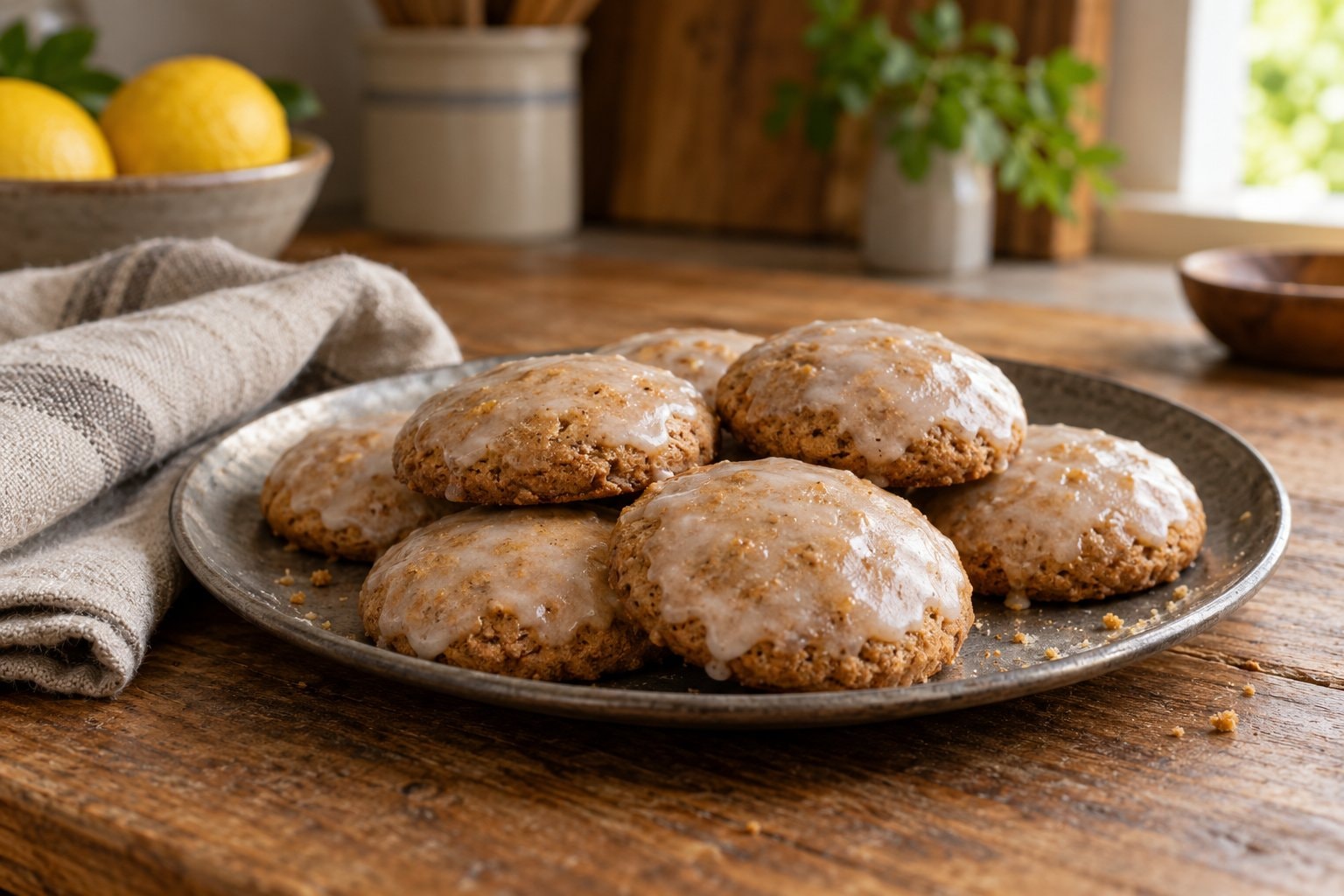
A winter market puts different kinds of food within sight of each other: a tray of spiced cookies, a thin savory bread, nuts and loaves containing candied fruit. The stall format encourages close looking. A shape, a surface and a smell can draw attention before an ingredient list is known. German Christmas markets provide a setting for studying that meeting of food, craft and shared seasonal customs.
From winter necessities to Advent gathering
Wikipedia's Christmas-market account traces the tradition to late medieval markets in German-speaking Europe and records Dresden's Striezelmarkt in 1434. It distinguishes those Christmas markets from earlier December markets. The broader history includes fairs at which people obtained meat and winter necessities, followed by stalls for crafts and confectionery. Food and practical winter preparation belong to the same story.
The account describes open-air stalls in town squares, with food, drink and seasonal goods beside singing and dancing. This combination helps explain why the market is more than a row of things to eat. It is a temporary arrangement of public space in which different crafts share a setting. A cookie's shape can matter there as much as its crumb, while a hot savory dish supplies a different reason to pause.
Markets vary by town and region. German cuisine itself contains many regional traditions and shares dishes with neighboring Central European countries. A market food should therefore be understood in its particular setting rather than treated as a summary of the entire country. A familiar name can travel, and its form can vary. The Viennese pastry essay offers a neighboring table where thin dough, cakes and coffee have their own roles.
Flammkuchen: a thin savory surface
Wikipedia's Flammekueche article describes a regional specialty associated with Alsace and neighboring areas, also called Flammkuchen or tarte flambée. Thinly rolled bread dough carries fromage blanc or crème fraîche, sliced onion and lardons. Its structure is almost an exercise in surface: a broad, fine base under a sparse topping.
The reference places it in the work of bread baking, where a thin dough was used to test a wood-fired oven's heat. That detail gives a savory dish a practical context. A cook can understand the relationship between a hot oven and a thin base without needing to reproduce the equipment or the historical setting. The bread essay looks at other ways that dough, leavening and heat determine a finished loaf or baked good.
Flammkuchen also provides a useful contrast to the market's sweets. Its topping is restrained and spread across a thin sheet. A honey cookie is concentrated into a small piece of dough. Different proportions and shapes allow both dishes to fit into the same public setting while asking very different things of the oven.
Lebkuchen and the wider gingerbread family
Lebkuchen is associated with German Christmas traditions and takes forms that include cakes, molded cookies and bars. Its ingredients commonly include honey, spices, nuts and sometimes candied fruit. The source describes soft forms alongside harder decorated hearts. Those shapes are a reminder that gingerbread can be made for different purposes: the texture suited to a tender bite need not be the texture suited to a firm, decorated object.
Wikipedia's gingerbread reference treats the word as a broad family of baked foods flavored with spices and sweetened with honey, sugar or molasses. The family extends from moist cakes to crisp cookies. Ginger is not the only flavor involved; cinnamon, cloves and nutmeg also appear. A useful comparison begins with texture and sweetener, then considers the spice mixture.
The market account also lists toasted candied almonds, fruit-filled stollen and mulled wine among its familiar foods and drinks. These are cultural details of the setting, rather than recommendations. Taken together, they show how preserved fruit, nuts, spices and different kinds of dough can fill neighboring stalls. The holiday-cookie essay follows some of those baking ideas into other countries and other shapes.
Lebkuchen-style spiced honey cookies
Wikipedia's Lebkuchen account describes honey-sweetened German baking with spices, nuts and varied shapes. These home cookies use flour, ground almonds and familiar ground spices for a soft center. A thin lemon glaze is optional.
Ingredients
- 250 g (2 cups) all-purpose flour
- 100 g (1 cup) finely ground almonds
- 5 g (1 teaspoon) baking powder
- 4 g (2 teaspoons) ground cinnamon
- 2 g (1 teaspoon) ground ginger
- 1 g (½ teaspoon) ground cloves
- 2 g (¼ teaspoon) fine salt
- 150 g (½ cup) honey
- 75 g (⅓ cup, packed) light brown sugar
- 60 g (4 tablespoons) unsalted butter
- 50 g (1 large) egg
- 2 g (1 teaspoon) finely grated orange zest
- 100 g (¾ cup plus 1 tablespoon) powdered sugar, optional glaze
- 15 ml (1 tablespoon) lemon juice, optional glaze
Method
- Whisk the flour, almonds, baking powder, cinnamon, ginger, cloves and salt in a bowl. Warm the honey, brown sugar and butter in a small pan just until the butter melts. Cool until barely warm.
- Whisk the egg and orange zest into the cooled honey mixture. Pour into the dry ingredients and stir until evenly combined. Cover and refrigerate for 20 minutes so the dough becomes easier to handle.
- Heat the oven to 175 °C (350 °F). Line 2 baking sheets with parchment. With lightly damp hands, form the dough into 24 balls. Space them apart and flatten each gently into a thick round.
- Bake for 12–15 minutes, until the edges are set and the centers have lost their wet appearance. Let them stand on the sheet for 5 minutes, then transfer to a rack to cool completely.
- If using the glaze, stir the powdered sugar and lemon juice together. Add water a few drops at a time only if needed for a thin coating. Brush lightly over the cold cookies and leave on the rack until dry.