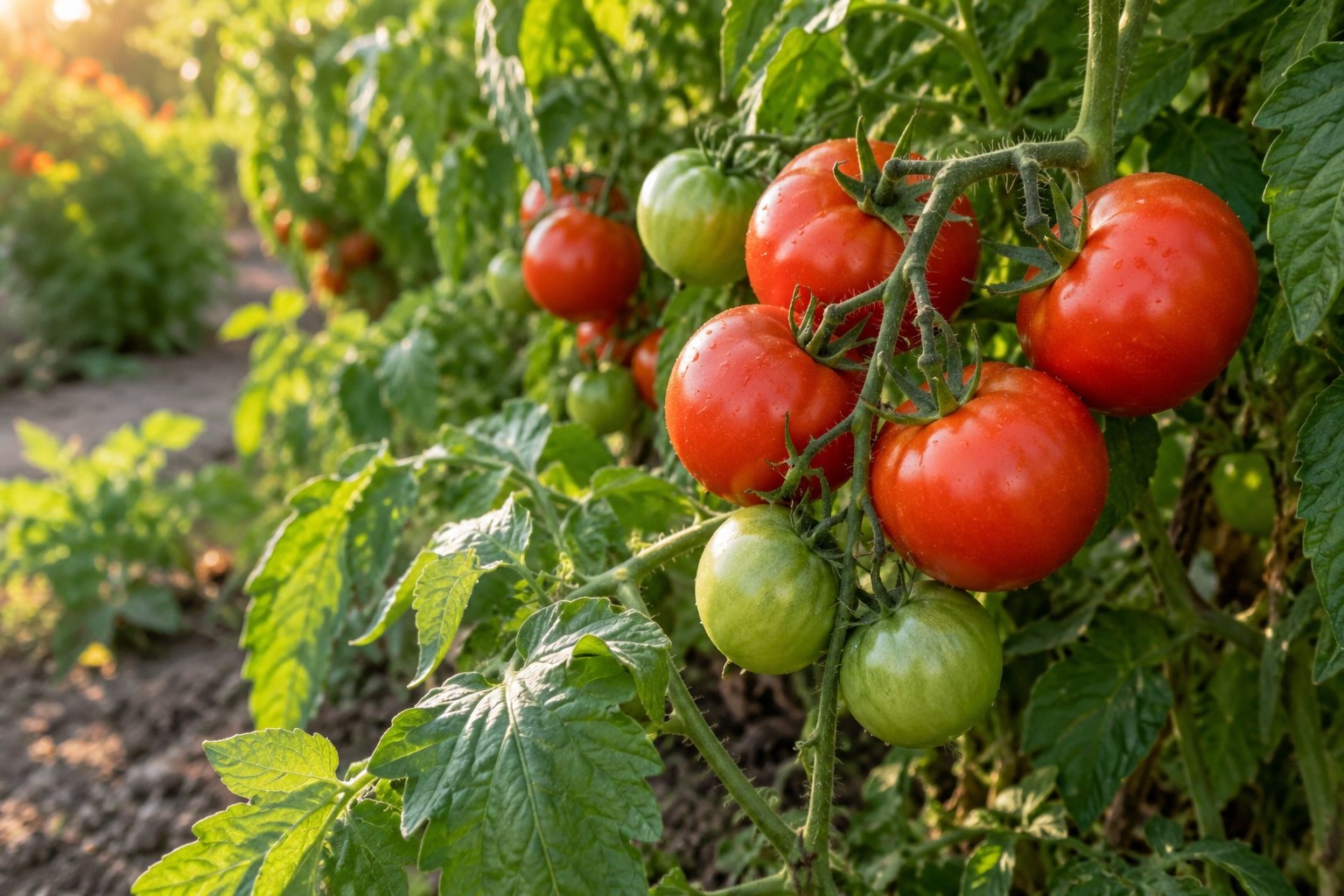
A garden tomato raises questions at very different scales. The cook wants to know whether it is ripe enough for a salad or soft enough for soup. The grower has worked with a variety, soil, weather and a system of cultivation. Words such as organic and biodynamic describe approaches to that work. They deserve precise definitions, separate from a tomato's color or a claim about how a dish will taste.
What biodynamic agriculture proposes
Wikipedia's biodynamic-agriculture account traces the approach to Rudolf Steiner's agricultural lectures in 1924. It describes a system that treats soil, crops and animals as interrelated, combining practices shared with organic farming with spiritual and esoteric ideas. The historical origin and the farming methods are parts of the account; they do not establish the validity of its proposed explanations.
Biodynamics emphasizes compost and manure and excludes synthetic fertilizers and pesticides in the approaches described by the reference. Distinctive features include astrological planting calendars and particular herbal or mineral preparations used on fields and compost. These can be described as the system's practices without treating the underlying beliefs as scientific findings. A planting calendar has a place in the method's identity; whether it demonstrates a measurable effect is a separate question.
The reference records certification procedures covering cultivation, greenhouse management, livestock and handling after harvest. Certification establishes that criteria have been met. It is not the same kind of evidence as a controlled comparison of farming outcomes. A useful reading asks both what the standard requires and what claim is being made about it. Those questions prevent a production label from doing more work than its definition supports.
The scientific criticism belongs beside the description
Wikipedia's account reports that no beneficial difference has been scientifically established between certified biodynamic techniques and comparable organic and integrated farming practices. It criticizes the reliance on mystical ideas and the lack of scientific evidence for efficacy. This qualification is central to an accurate description. Shared practices such as composting and the distinctive spiritual explanation should not be treated as if they were a single claim.
Wikipedia describes organic farming through inputs and methods such as compost, crop rotation, companion planting and biological pest control. Biodynamics shares some of those practices, while adding its own system of beliefs and preparations. The terms overlap, but they are not interchangeable. A reader considering either one can begin by identifying the actual practice under discussion, then the evidence offered for any asserted result.
The farming and food-policy essay puts these labels beside other systems and institutions. In the kitchen, a description of cultivation can be useful information without determining a recipe. A ripe tomato still needs to be tasted, and a soup still needs to be seasoned. The growing method and the cook's decision occupy related but distinct parts of the food's journey.
Place, wine growing and the meaning of terroir
The biodynamic reference records its use in grape growing. Wikipedia's terroir account describes the influence of environment, growing habitat and farming practices on a crop, with wine as a prominent setting for the idea. It also records debate about the significance of terroir in wine. The idea of place offers a vocabulary for investigating differences; it does not settle the claims made for a particular farming system.
A kitchen garden makes that distinction easier to see. Variety, cultivation and the way a vegetable is used can each be considered. A soup made from mixed ripe tomatoes is a cook's choice; it cannot isolate the cause of every flavor in the fruit. The apple essay follows varieties and cider country through another crop, where place and kitchen use also meet.
Tomatoes, heirloom varieties and a courgette glut
Tomatoes vary widely in shape, color, size and flavor. Heirloom tomatoes are open-pollinated, non-hybrid cultivars, and the source describes a wide range of their forms. That term does not supply a single appearance. Looking closely at the actual fruit is more useful than expecting every heirloom to behave alike. A tomato may suit slicing, roasting or blending according to the dish being planned.
Courgettes, also called zucchini, are treated as vegetables in cooking and appear in both savory dishes and occasional sweeter baking. A garden glut creates a practical planning problem: which preparations use the available produce while allowing its texture to make sense? Cooking sliced courgettes separately from a tomato soup keeps the soup's flavor clear. Seasonality refers to the period when harvest or flavor is at its peak, rather than to a universal calendar that fits every place.
The markets essay follows similar questions at a stall, where varieties and seasons become subjects of exchange. A label can start a question, but a specific explanation gives it substance. In this recipe, the practical focus is ripe fruit, a tray that allows room for roasting, and a final adjustment of water and seasoning.
Roasted tomato and garlic soup
Wikipedia's tomato account records the fruit's use in soups and sauces. This version roasts the tomatoes with onion and garlic before blending. The amount of water can be adjusted to the fruit and to the desired consistency.
Ingredients
- 1.2 kg (2⅔ lb) ripe tomatoes, halved
- 150 g (1 medium) onion, cut into wedges
- 30 g (1 small head) garlic, unpeeled, top trimmed
- 45 ml (3 tablespoons) olive oil
- 5 g (1 teaspoon) fine salt, or to taste
- 500 ml (2 cups) water, plus more if needed
- 10 g (¼ cup loosely packed) basil leaves
- 4 g (1 teaspoon) sugar, optional
- Black pepper, to taste
Method
- Heat the oven to 200 °C (400 °F). Put the tomatoes and onion on a broad roasting tray. Coat with the oil and salt. Place the garlic head alongside, with a little oil on its cut surface.
- Roast for 35–45 minutes, turning the onion once, until the tomatoes are soft and their edges have begun to brown. If the onion colors quickly, move it beneath the tomatoes or remove it earlier.
- Let the garlic cool enough to handle. Squeeze the soft cloves into a saucepan. Add the tomatoes, onion and all the tray juices, then the water. Bring to a boil and simmer for 10 minutes.
- Take the pan off the heat. Blend carefully with an immersion blender until smooth. Return to low heat and add more water if the soup is too thick. Taste and adjust the salt and pepper; add the optional sugar only if the soup needs it.
- Tear the basil and stir it in just before serving. Ladle into warm bowls. Cool any leftovers promptly in shallow containers and refrigerate.